
Sacred Charge campaign: A vibrant youth movement across Ontario
The following article provides insight into some of the meaningful conversations that inspired young people to think about how they can contribute to the betterment of their communities.
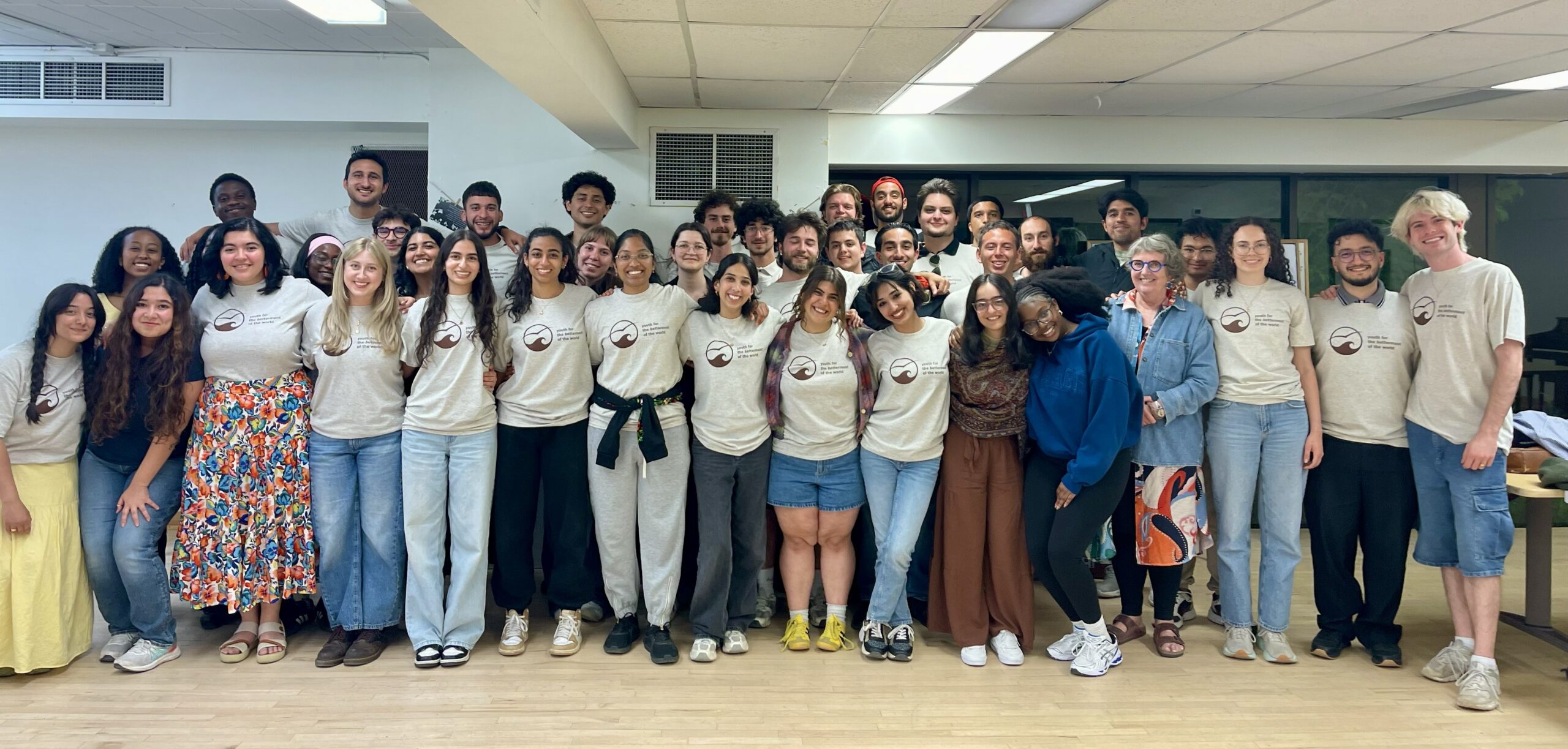
This past summer, youth across Canada dedicated their time and energy to service, building resolve among a growing number of their peers to make a positive difference in their communities. Several organized spaces channelled these young people’s aspirations. In Ontario, the Sacred Charge campaign, which took place in Toronto, Ont., and Ottawa, Ont., brought together 88 youth, aged approximately 17-23, from Ontario, Quebec, and Atlantic Canada. These youth reached out to hundreds more. In addition, several other clusters in Ontario and the regions of Quebec and Atlantic Canada, drew on the capacity of the Sacred Charge participants to organize campaigns, summer of service programs or teaching projects later in the summer.
In simple, uplifting conversations, the youth shared short excerpts from the Bahá’í Writings with new friends, thinking together about how to apply shared insights immediately to improve some aspect of community life.
This approach reflects the “expansive view” of the institute that the Universal House of Justice outlined in its 30 December 2021 message, as participation in the institute courses not only prepares individuals to carry out activities related to expansion and consolidation but also for “ever-deeper engagement in the life of the wider community.”
The following examples illustrate how meaningful conversations inspired participation in the community-building process:
Three youth tutors entered a neighbourhood with the vision of sharing the Word of God with many people. They met a youth who said he liked the community and wished for more programs in the neighbourhood. One of the tutors shared the quotation—the first to appear in Ruhi Book 1: Reflections on the Life of the Spirit— “The betterment of the world can be accomplished through pure and goodly deeds, through commendable and seemly conduct.”
After reading this quote, one of the tutors asked the youth, “How can the betterment of the world be accomplished?” The youth responded, “More people doing good things for the community.” The tutor then asked, “What do you think your role is in the betterment of the community?” The youth shared, “I am not sure I can do anything. It’s not really my job.” The tutor replied, “Then whose job is it?” The youth replied, “Probably a community leader.” Another tutor returned to the quote, emphasizing that the betterment of the world can be accomplished through pure and goodly deeds, and asked, “Can you give an example of a pure and goodly deed?” The youth replied, “Giving $5 to a homeless person.” The tutor then asked, “Do you think you could do that?” Again, the youth confidently responded, “Yes, I can!” The tutor responded, “So it is clear you can contribute to the betterment of the world, right?” The youth confidently responded, “Yes, I can!”
When asked whom he could bring this conversation to, the youth enthusiastically led the tutors to a park where several youth and junior youth were playing soccer. He approached them and shared the quote. Over a 10-minute conversation, the tutors saw this youth shift from ambivalence about his role in his community to eagerness to participate actively in the community-building process and to share the Word of God with others.

Beyond the initial encounter: sparking a pattern of collective action
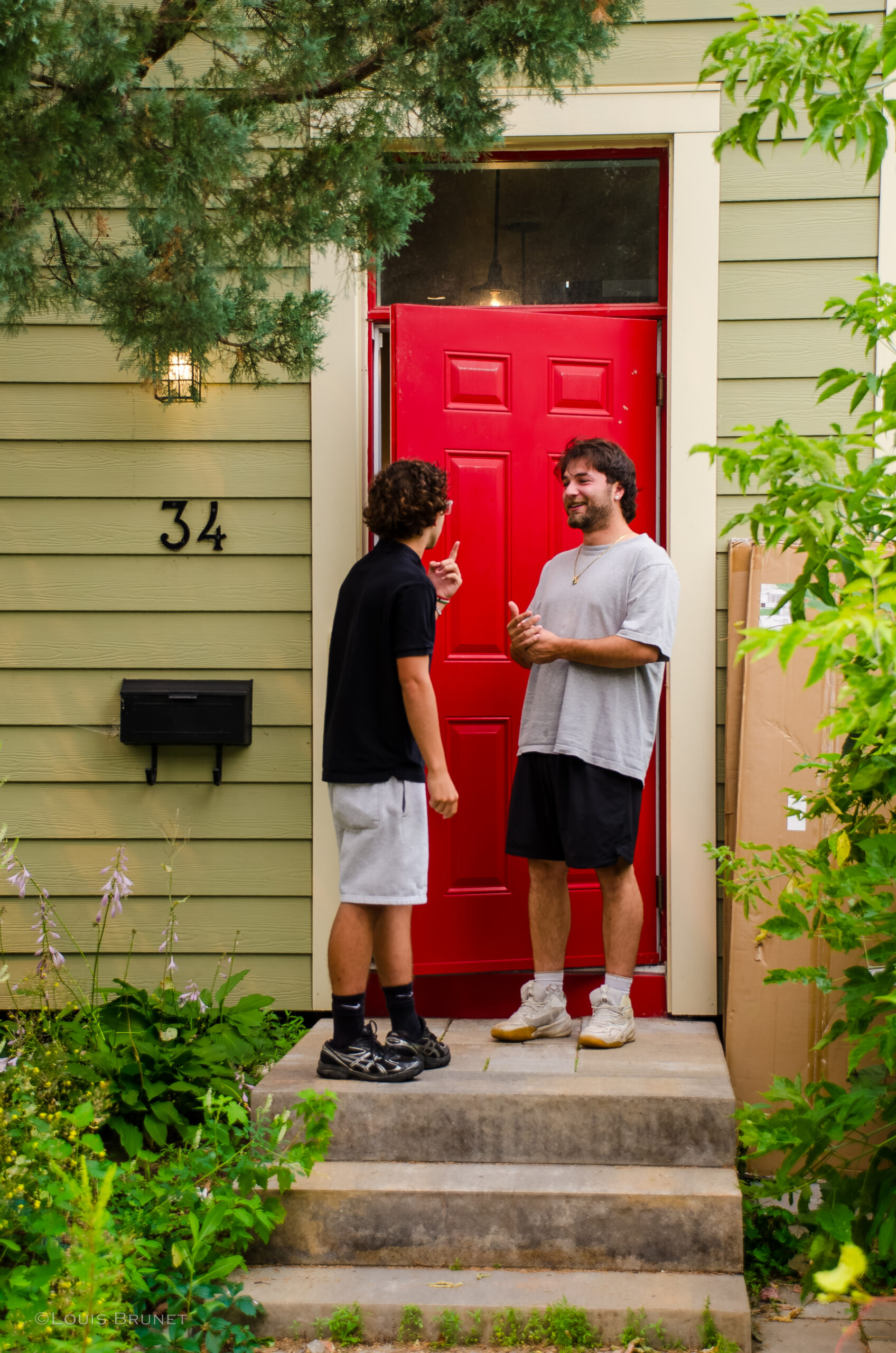
Another tutor met a group of youth around a basketball court. After reflecting on the same quotation about the betterment of the world, they had the idea of organizing a community basketball festival. Later, the tutor visited the apartment where the youth lived, with plans to go to Tim Horton’s to continue their conversation.
Before leaving, he asked whether he could introduce himself to the youth’s family. Instead of going to Tim Hortons, the tutor found himself sitting with the youth’s mother, younger brother, and several of the brother’s friends. He shared a bit about the seminar he was participating in and discussed the role youth play in contributing to their communities.
The mother shared how happy she was to see youth eager to improve their community and immediately recognized the potential of the basketball festival. The tutor soon realized the conversation had expanded beyond the initial youth and that the hearts of all present were open. He asked the youth if they could study Book 1 together with his family. Before beginning, he explained that the purpose of the institute is not simply to study ideas but to learn how spiritual qualities can be translated into action within our communities. As the mother and the two brothers eagerly began studying together, the study circle gave rise to a profound conversation. Eventually, they began planning the festival, with the tutor encouraging their efforts and offering support.
The younger brother suggested making an announcement at Mass and initially asked the tutor to make it. The tutor’s immediate response was that it would be more meaningful if he made the announcement himself and that he would gladly accompany him in doing so. Similarly, when the older brother suggested creating a poster and asked the tutor to make it, the tutor tried not to focus on his own conceptions of what would make the “best” poster. Instead, he asked what had inspired the youth to create this festival and how those same sentiments could be conveyed to the community. Through these conversations, the tutor began to understand that accompanying others is not about carrying out tasks on their behalf, but about helping people recognize and express their capacity to contribute to the betterment of their communities.
When the tutor met the youth again, they thought they should visit the community centre and speak with the manager before holding the festival. This would ensure the initiative respected the community’s existing structures. Before the visit, the youth and the tutor studied portions of the youth conference material and reflected on the attitudes and language required when engaging in collective action. Although there was some initial hesitation, the youth courageously led the conversation with the community manager. The community manager expressed joy that the youth were organizing this initiative of their own free will and even asked whether they hoped to establish it as an ongoing pattern of activity.
Later that day, the festival took place. As people arrived, the organizing group discussed how to incorporate meaningful conversations into the festival. They decided that anyone wanting a water bottle would first have to participate in a conversation using materials they had on the role of youth. During the festival, the tutor consciously stepped back from the role of organizer and instead accompanied the youth as they facilitated conversations with their own friends. His role shifted towards welcoming new participants and helping establish a spirit of cooperation rather than competition. Reflecting afterwards, one youth shared that while the beginning of the festival felt like any other gathering at the park, the atmosphere noticeably changed once meaningful conversations became part of the experience. Other youth shared that they wished there had been more opportunities for diverse groups of people, including adults and young women, to participate. Some even suggested that future gatherings could be centred more explicitly on conversation and friendship rather than on basketball.
Swiftly welcoming youth into the institute
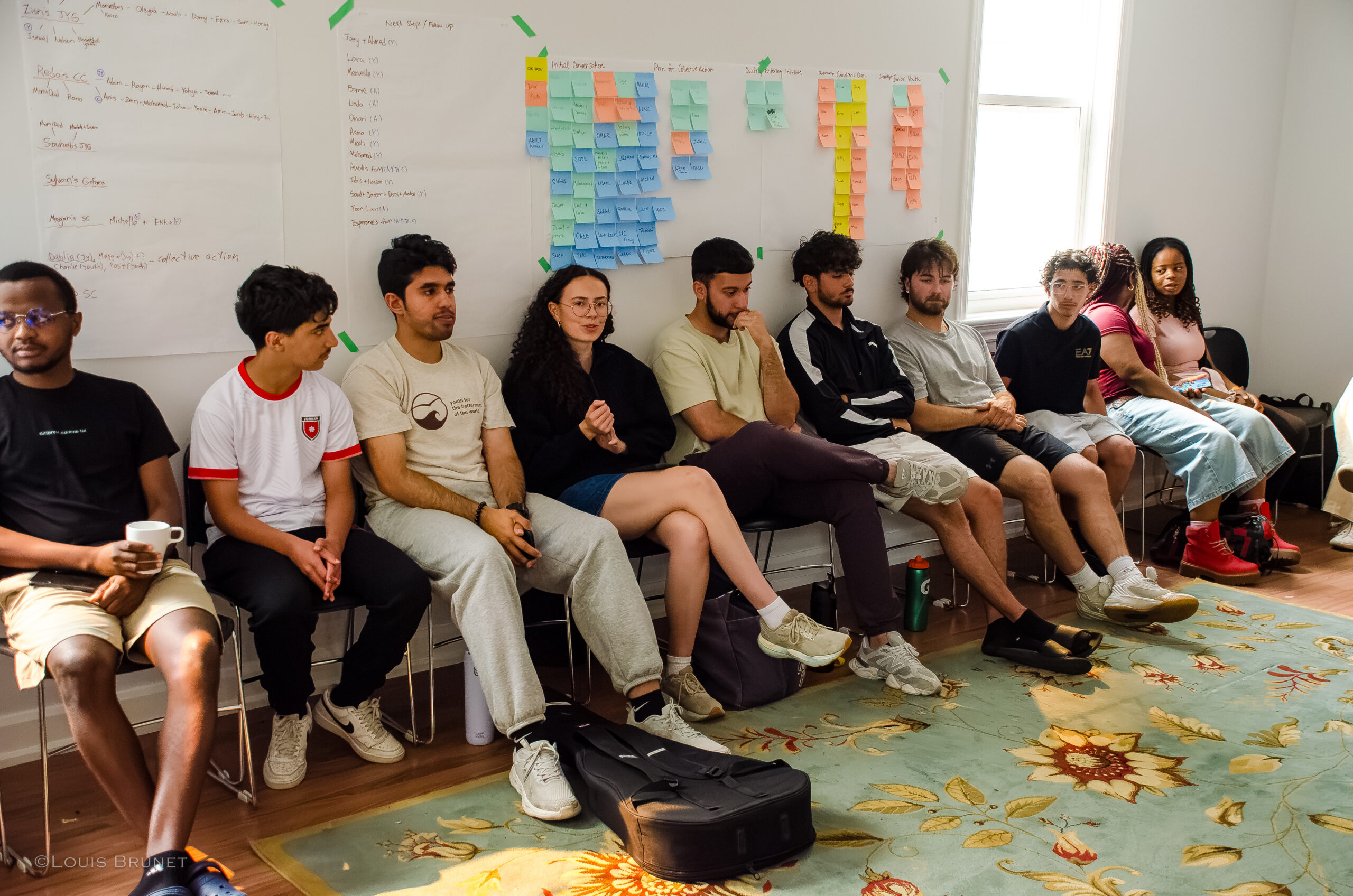
When a group of youth reached out in a neighbourhood, sharing quotations from Ruhi Book 1 and engaging in meaningful conversations, a young woman approached them and asked what they were doing. The youth explained that they were studying materials from the Ruhi Institute to develop their capacity for service. The young woman immediately expressed a desire to join them. The next day, she began studying Book 1 and completed it over the following four days.
After she completed the book, the tutor accompanied her to visit her family and share some of the ideas and themes she had been studying. Her family responded with great enthusiasm and wanted to learn more. The family was quite isolated from others in the neighbourhood, and when the tutor asked how they might extend the process to others, they were initially unsure. After consultation, they decided to begin serving within their own household.
The tutor then shared several children’s class lessons with the young woman. She began holding children’s classes with her younger sister, and at times they studied several lessons together each week. She also started a family devotional gathering at her home. Through ongoing visits and conversations with the tutor, the mother began studying Book 1 and consulting with her daughter about the themes they were exploring together.
Over time, the family began discussing the ideas they were learning with neighbours and friends. Together with other families in the area, they helped organize parent gatherings and children’s camps to engage the many children living in the neighbourhood.
Walking a path of service
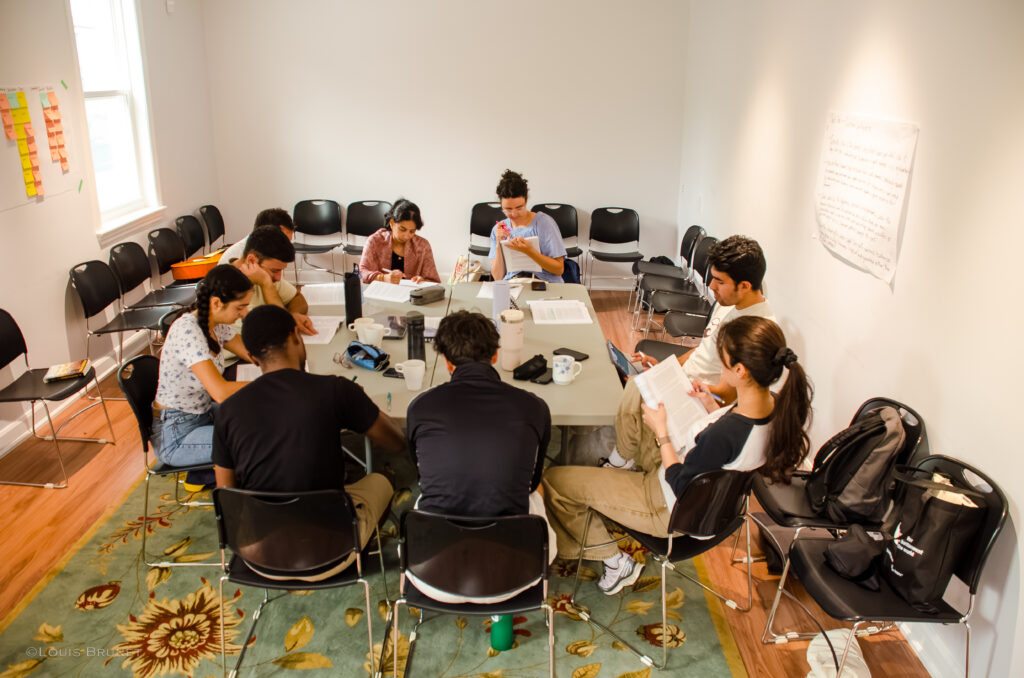
The youth participating in the Sacred Charge campaign received strong support from the local community, who assisted in various ways, including by hosting the youth in their homes and preparing food. Experienced young adults accompanied the youth in the field of service.
In exercising their twofold moral purpose—to grow spiritually and contribute to their communities—young people build capacity during these campaigns to nurture havens of peace through the potent instrument of the institute. While this campaign intensified the youths’ efforts over the summer months, it also orients them to a life of service, which becomes the organizing principle of their lives as they pursue studies, work, and other important aspects of life. Young people are developing their spiritual qualities and capacities to act, consult and reflect in light of the Bahá’í teachings.
Youth who participated in this campaign return to their home communities with increased experience and an expanded vision of the institute. An expression of interest form for the 2027 Sacred Charge campaign is available at this link, made available by the Bahá’í Council of Ontario.

This article was adapted from material provided by the Bahá’í Council of Ontario.
Category: Community life
