
Widening the conversation with youth
A team of tutors in the Central Okanagan cluster in B.C. share some of what they learned about the broad conversation that connects the institute process to the lives and concerns of youth.

Over the past two years, we set out to understand how the institute process can foster individual and collective transformation at the neighbourhood level. Our focus was on youth, a population that, worldwide, has “shown their ability to take initiative and identify fruitful avenues of service.”[1] About 60 youth have completed Ruhi Book 1, 22 have completed Book 2, 10 have completed Book 3, 11 have completed Book 4, and 13 have completed Book 5. Seven youth have arisen to serve as tutors.
Initially, we framed our invitations through conversations that focused narrowly on volunteer opportunities and service to the younger generation. Over time, we realized our conversations needed to be broader so that all young people could see themselves as welcome contributors. As the Universal House of Justice describes, “A generation of youth is being galvanized into action by a compelling vision of how they can contribute to building a new world.”[2] We began inviting youth to join a growing community of friends striving to contribute to the betterment of society.
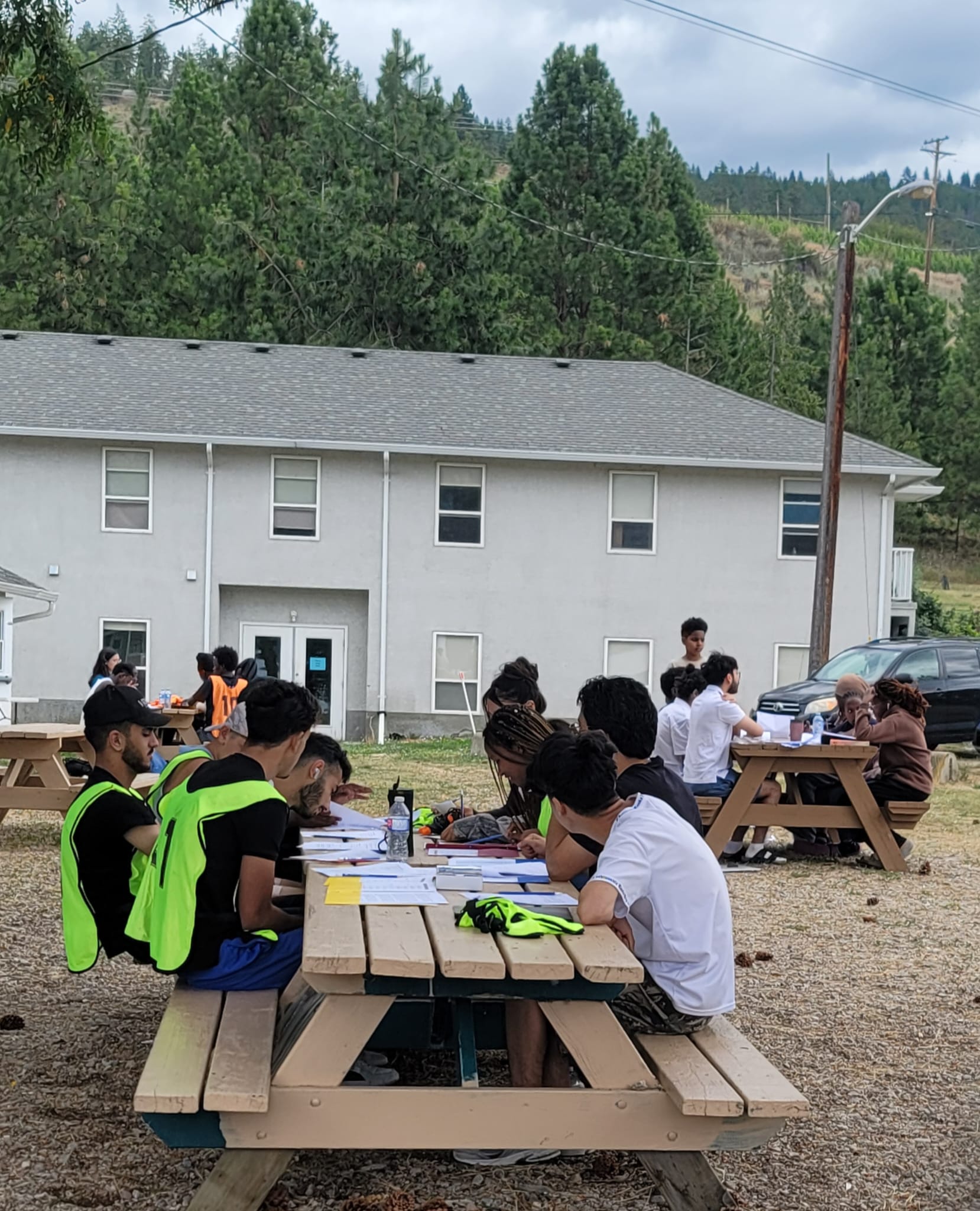
Taking youth to overnight camps has helped them progress through the institute courses at an accelerated pace, in an uplifting environment. We have learned to complement our study with films commissioned by the Universal House of Justice that are relevant to different segments of the courses offered. The practical component of the courses is also explored during the camp and then carried out in their own realities. For example, after studying Ruhi Book 1: Reflections on the Life of the Spirit, participants began devotional gatherings in their homes and social spaces, such as their college campus. These initial acts of service have helped the youth see more clearly that the institute is meant for everyone.

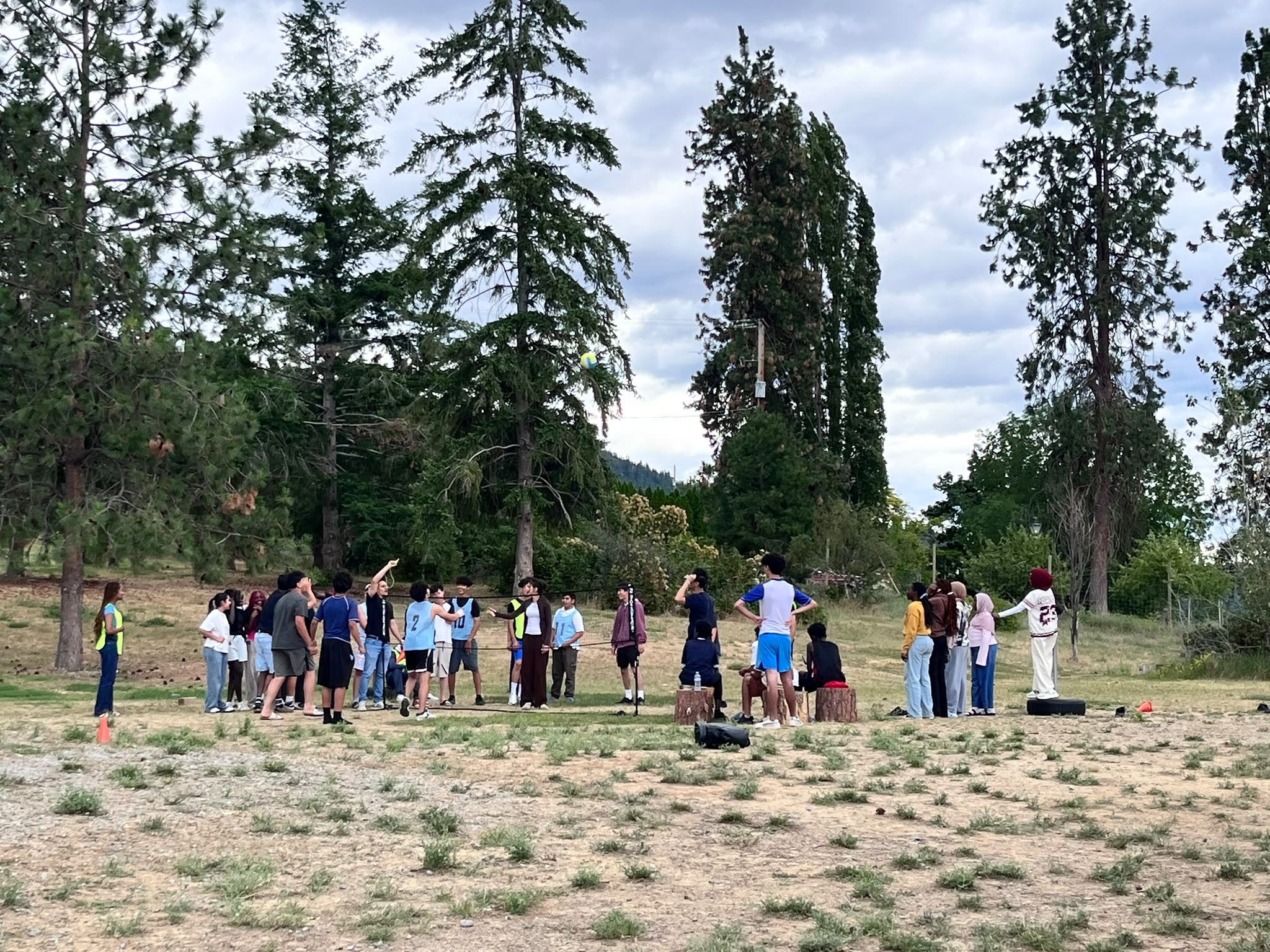
As tutors, we wanted to better understand the flow of ideas in the material before each institute camp and, where possible, connect each section to the reality of the youth. Many of our initial conversations focused on the youth’s personal experiences seeking shelter from war-torn regions in search of a brighter future. We connected this desire to Bahá’u’lláh’s vision for a united humanity, offering it as a source of hope. Through the youth’s reflections, we are seeing how the principle of the oneness of humanity is profoundly impacting their thinking and actions. They see this principle as a fundamental truth and have begun acting on their convictions, teaching others.
For example, one youth began sharing the content of Ruhi Book 1 with his family and friends at college. In one of his classes, his professor consistently placed him with students of his own race and background for learning activities. He would then move to sit with people who did not look like him. As he continued to change his groups, the professor expressed frustration, as he wanted to keep people of similar cultures together for learning purposes. This youth explained that he could learn with students from any background because he had come to realize a spiritual truth—that we are part of one human family. He then asked his professor if he had heard about Bahá’u’lláh.
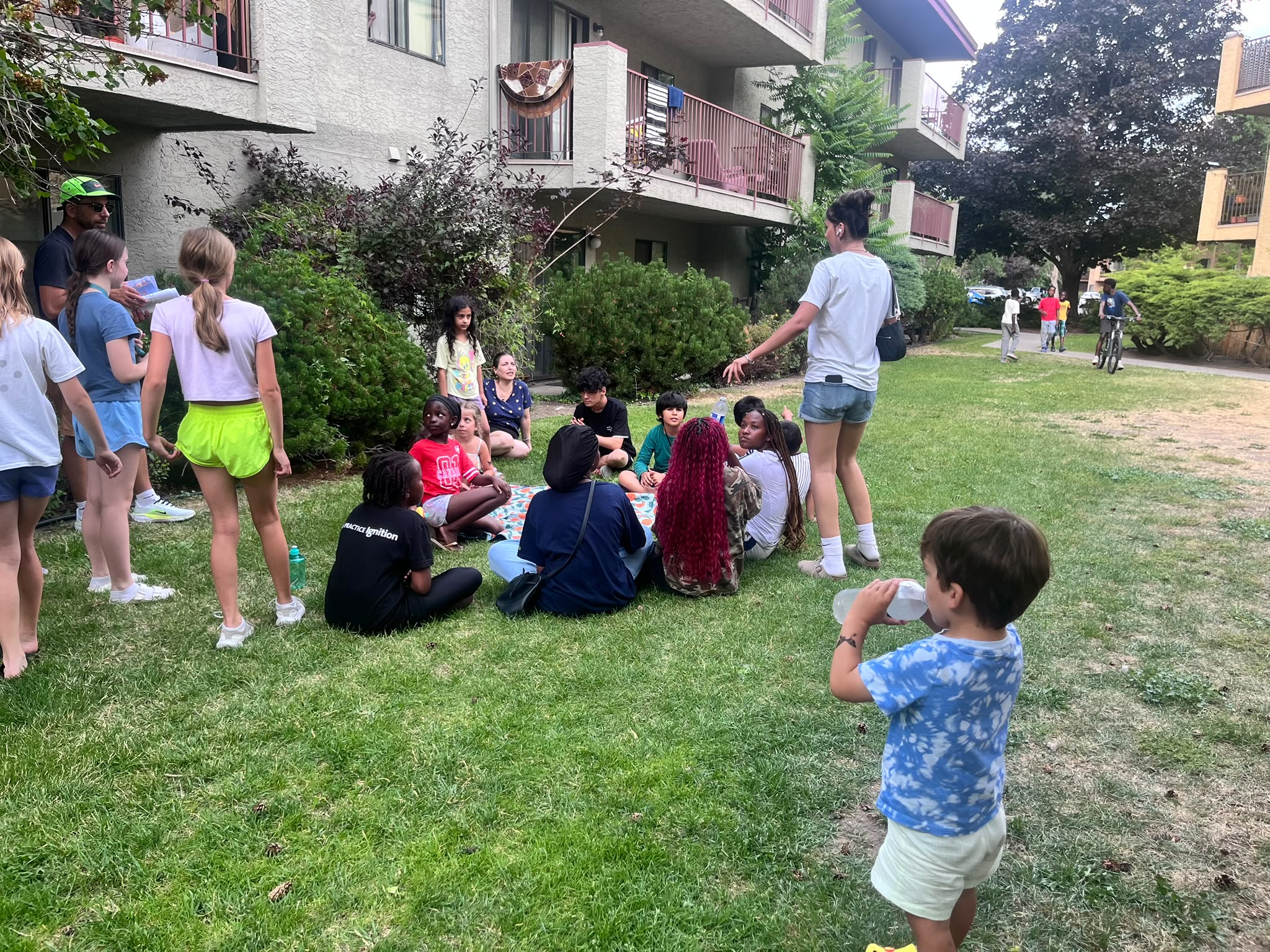
Another youth began teaching a children’s class, including his siblings, a neighbour, and cousins. He feels responsible for those younger than himself and naturally brings other youth into conducting the classes alongside him. His younger brother assists with maintaining discipline—although his methods are not always ones he encourages—but he is learning. Recently, when reflecting on the class, he shared that he had finished all 24 lessons of the first grade and moved the children to Ruhi Book 4. The tutors were curious and asked what he meant, to which he replied, “I am sharing the stories from Book 4 about the lives of the Báb and Bahá’u’lláh and using the videos from the institute camps.”
The path was not an easy one. It often felt as though doors did not readily open to us. The initial cohorts of young people frequently left their studies before completing them, and the camps we organized were small, limiting the sense of participating in a growing movement. Returning from a regional youth conference filled us with hope and excitement, yet the summer schedule we arranged lacked the structure needed to help the friends engage meaningfully with the institute materials.
Yet each of these efforts sowed seeds, and we are now beginning to see their fruit. Every glimpse of receptivity strengthened our conviction that these apparent setbacks were opportunities to learn. Rather than becoming discouraged, we found that each challenge deepened our determination to learn about the kinds of conversations that can connect thousands of people to the educational process.
[1] From the Universal House of Justice to the Bahá’ís of the World, Ridván 2026.
[2] From the Universal House of Justice to the Conference of the Continental Boards of Counsellors, 29 December 2015.
Category: Community life
