
The Association for Bahá’í Studies: the 50th Annual Conference highlights contributions to peace
Participants reflected on 50 years of the conference, and Universal House of Justice member Mr. Shahriar Razavi spoke on the theme “True Practitioners of Peace.”
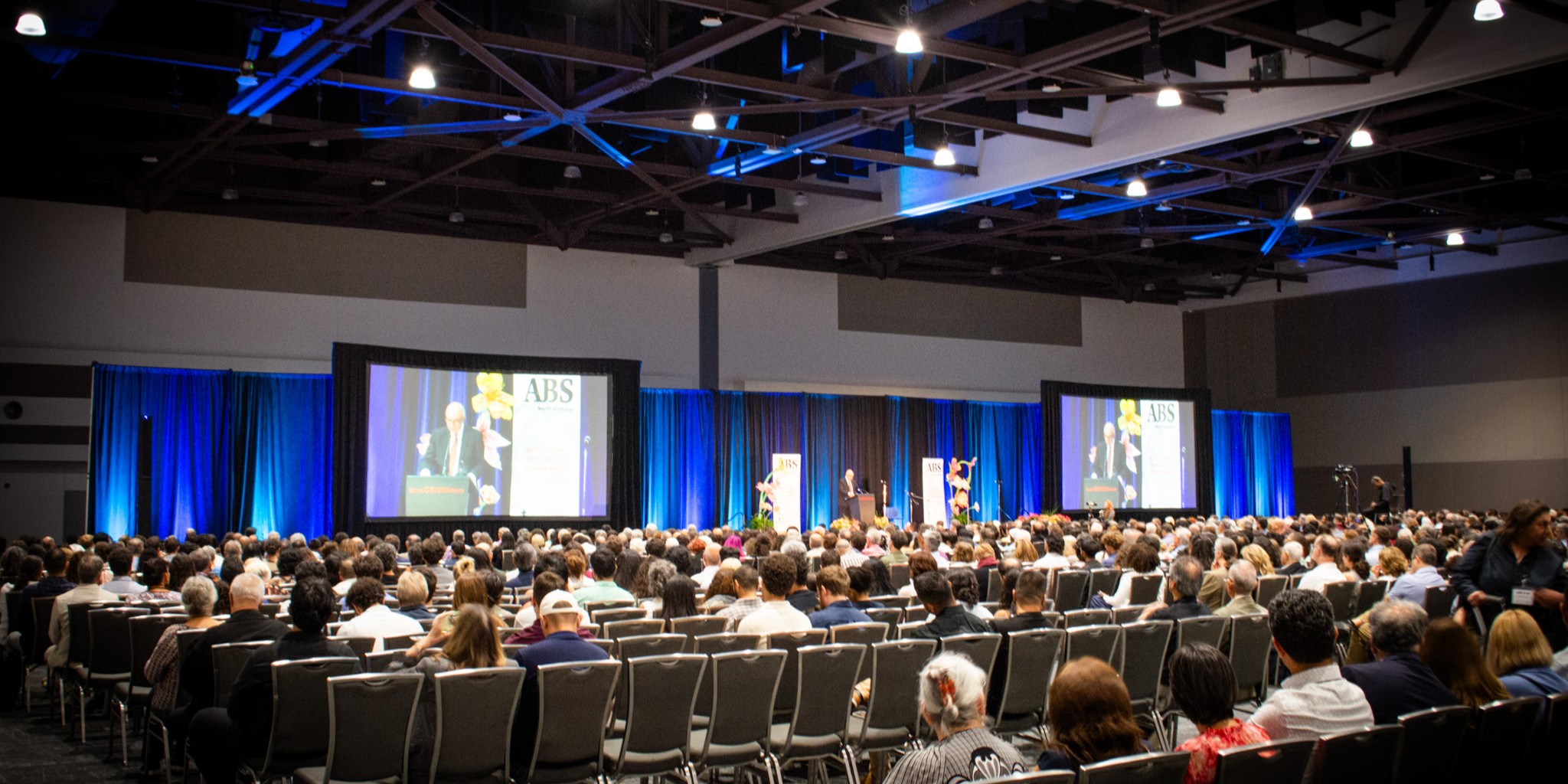
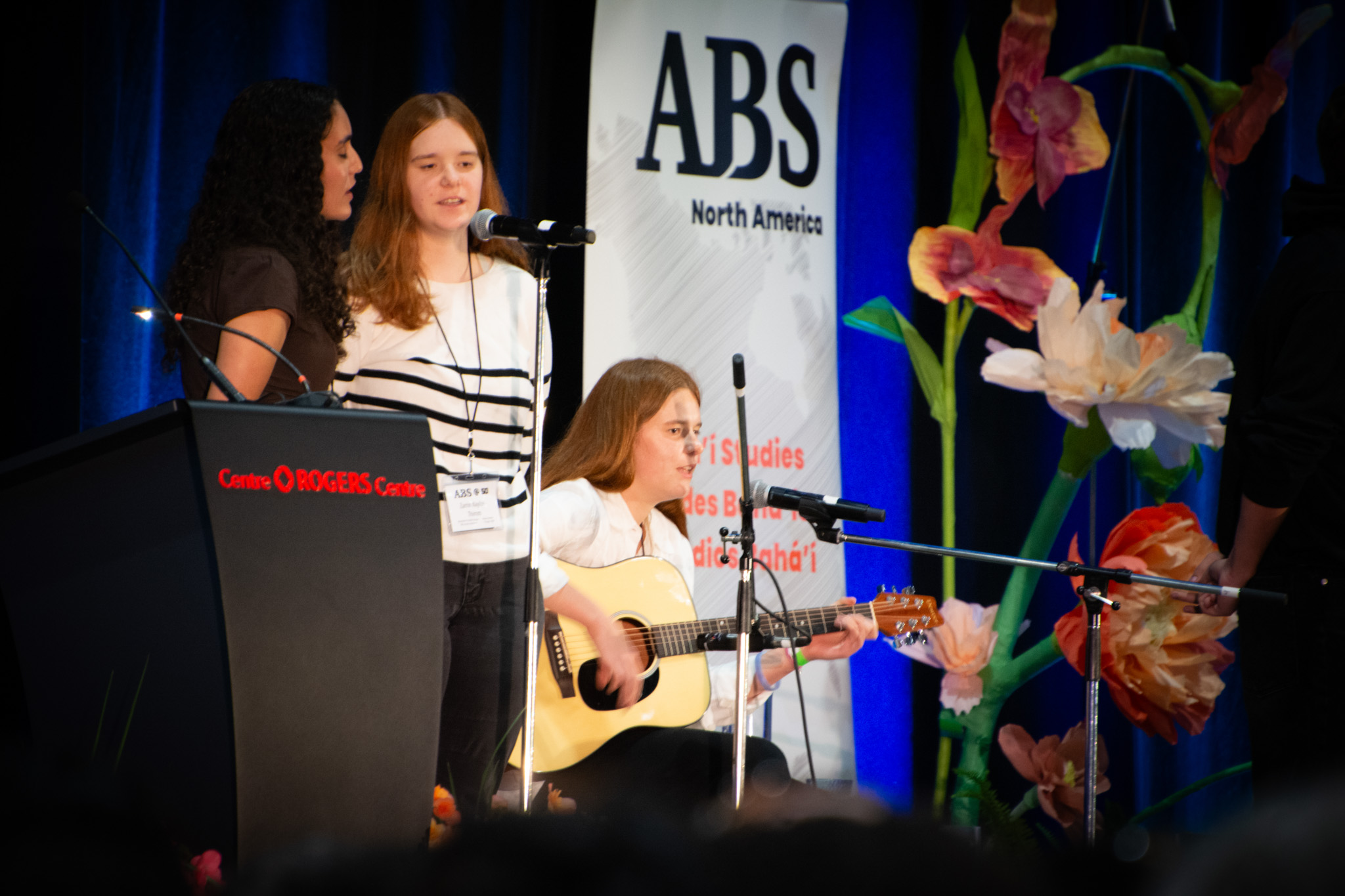

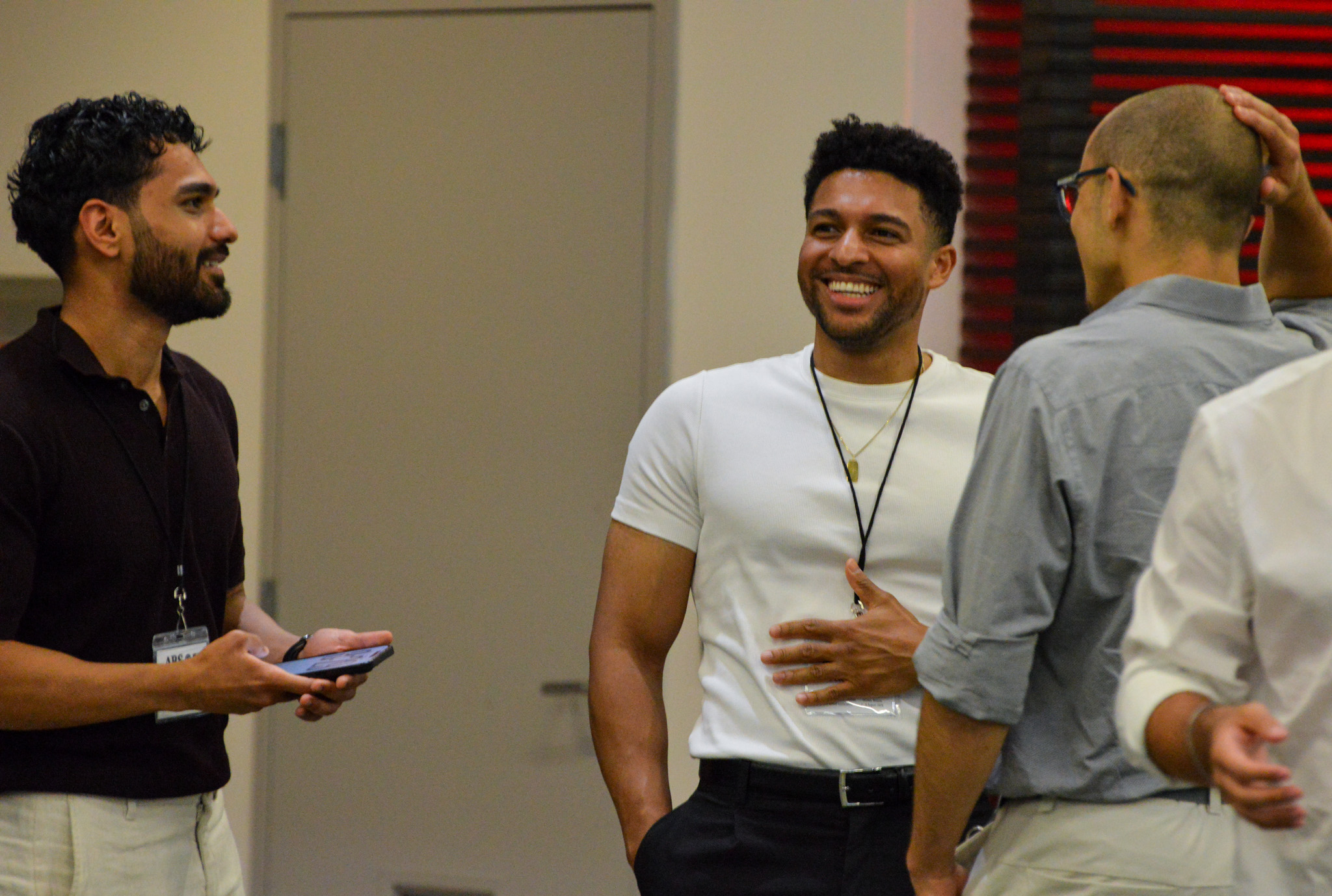
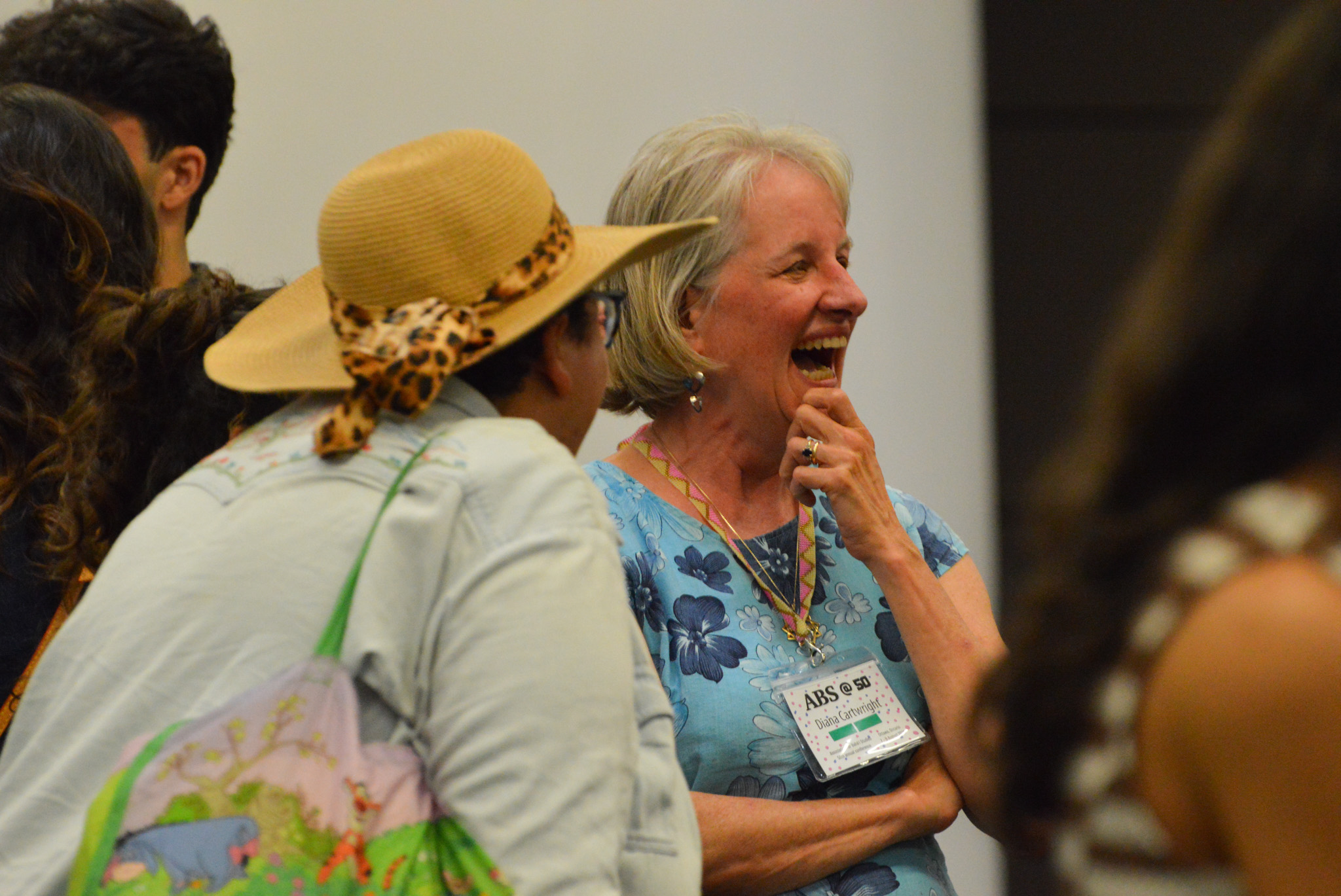
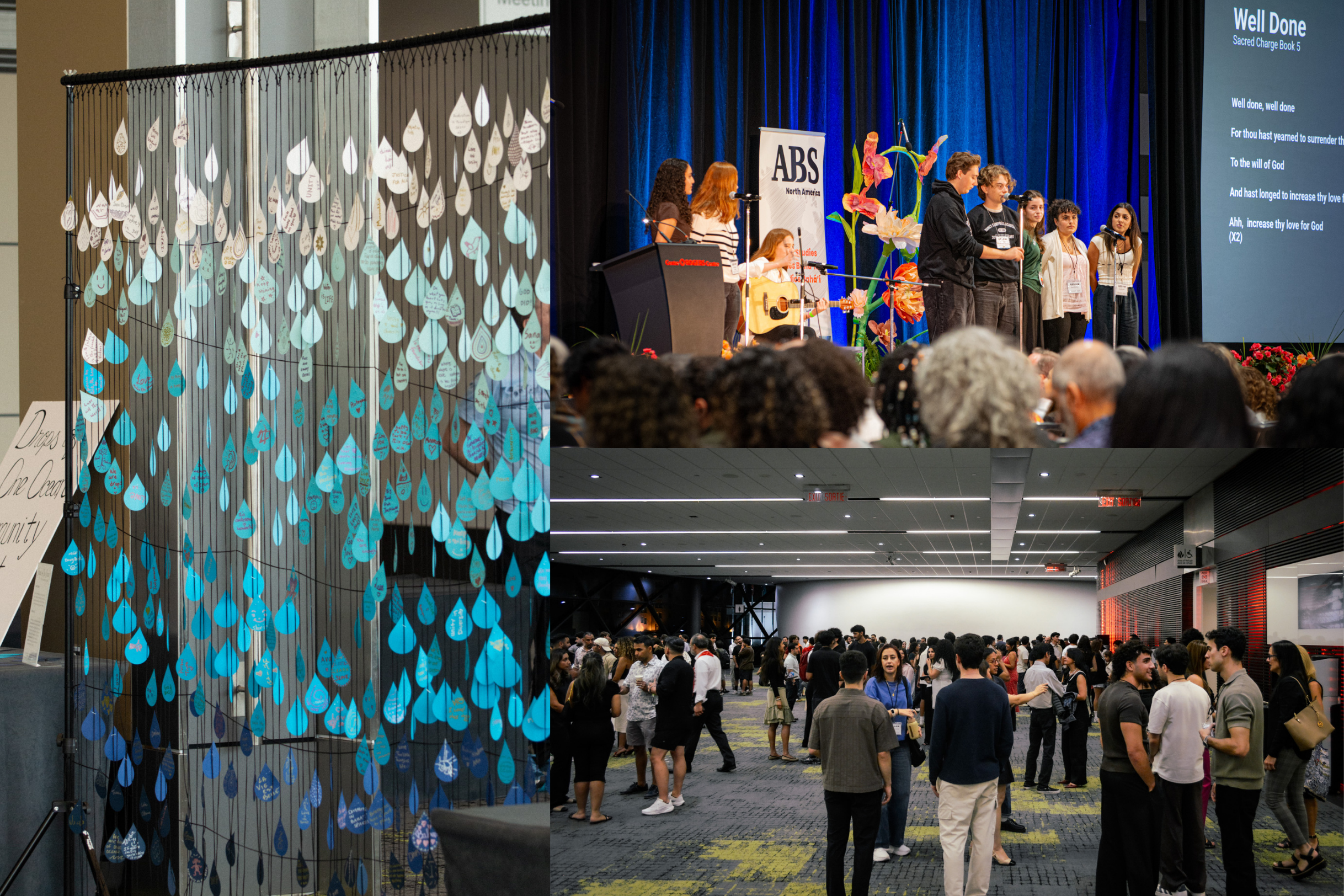
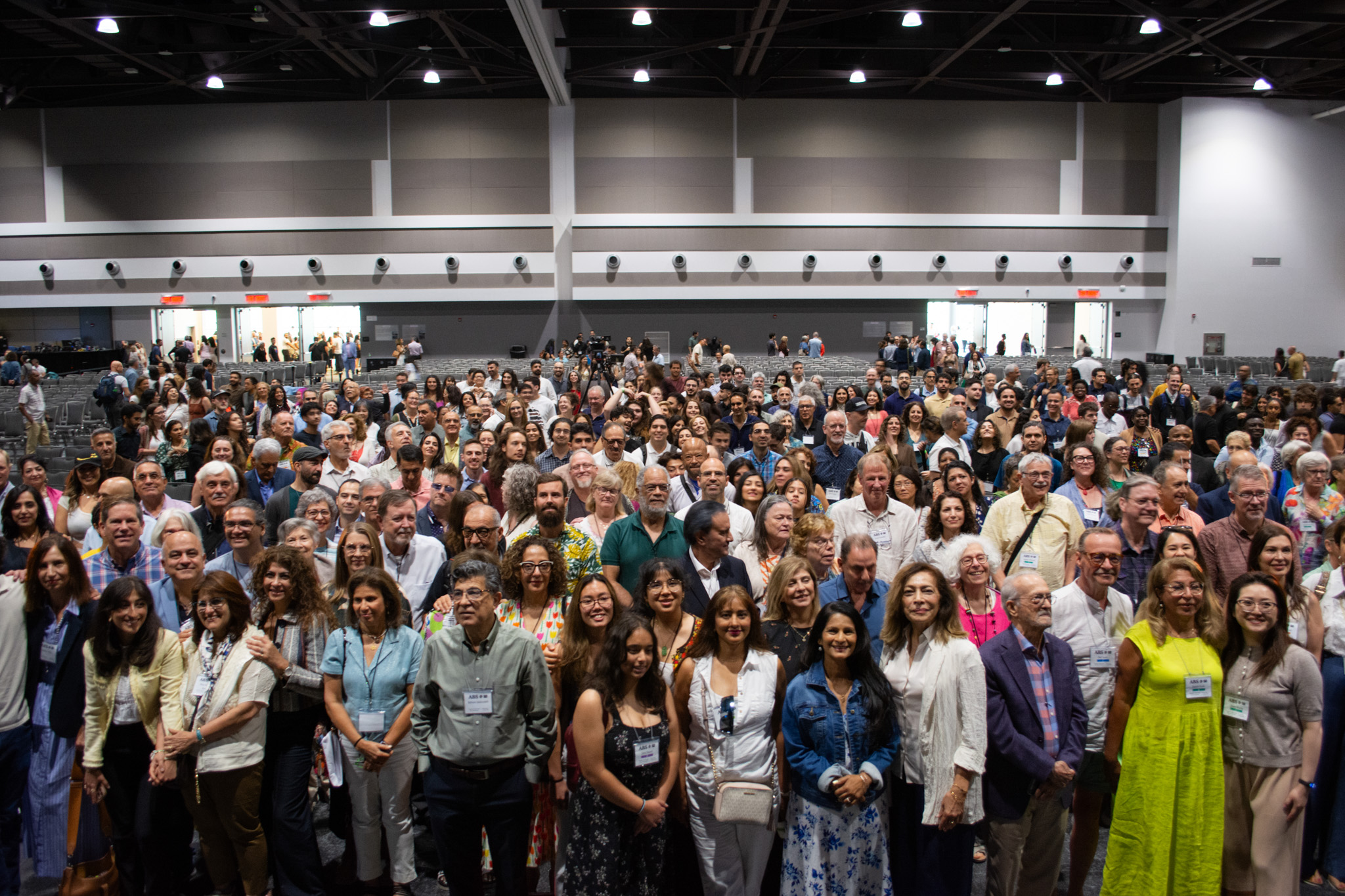
The annual conference of the Association for Bahá’í Studies (ABS) took place this year from August 6-9 in Ottawa, Ont. Attended by about 2,100 people from 37 countries, the conference brought together individuals and groups across diverse professions and academic disciplines to share insights, study, and plan. Ninety children participated, 88 junior youth, and 187 youth between the ages of 15-21. There were also 16 pre-conference two-day seminars with 325 participants.
In a message to mark the 50th anniversary of the conference, the National Spiritual Assembly of the Bahá’ís of Canada described those in attendance as “friends who are eager to think deeply together and build their capacity to contribute meaningfully to the conversations shaping human thought.”
Even during the pandemic years, the conference was conducted virtually and has not missed a year. The first conference of the Association for Bahá’í Studies took place in Bolton, Ont., in 1976, with about 80 participants. At the time, it was known as the Canadian Association for Studies on the Bahá’í Faith; it became known as the Association for Bahá’í Studies in 1981.
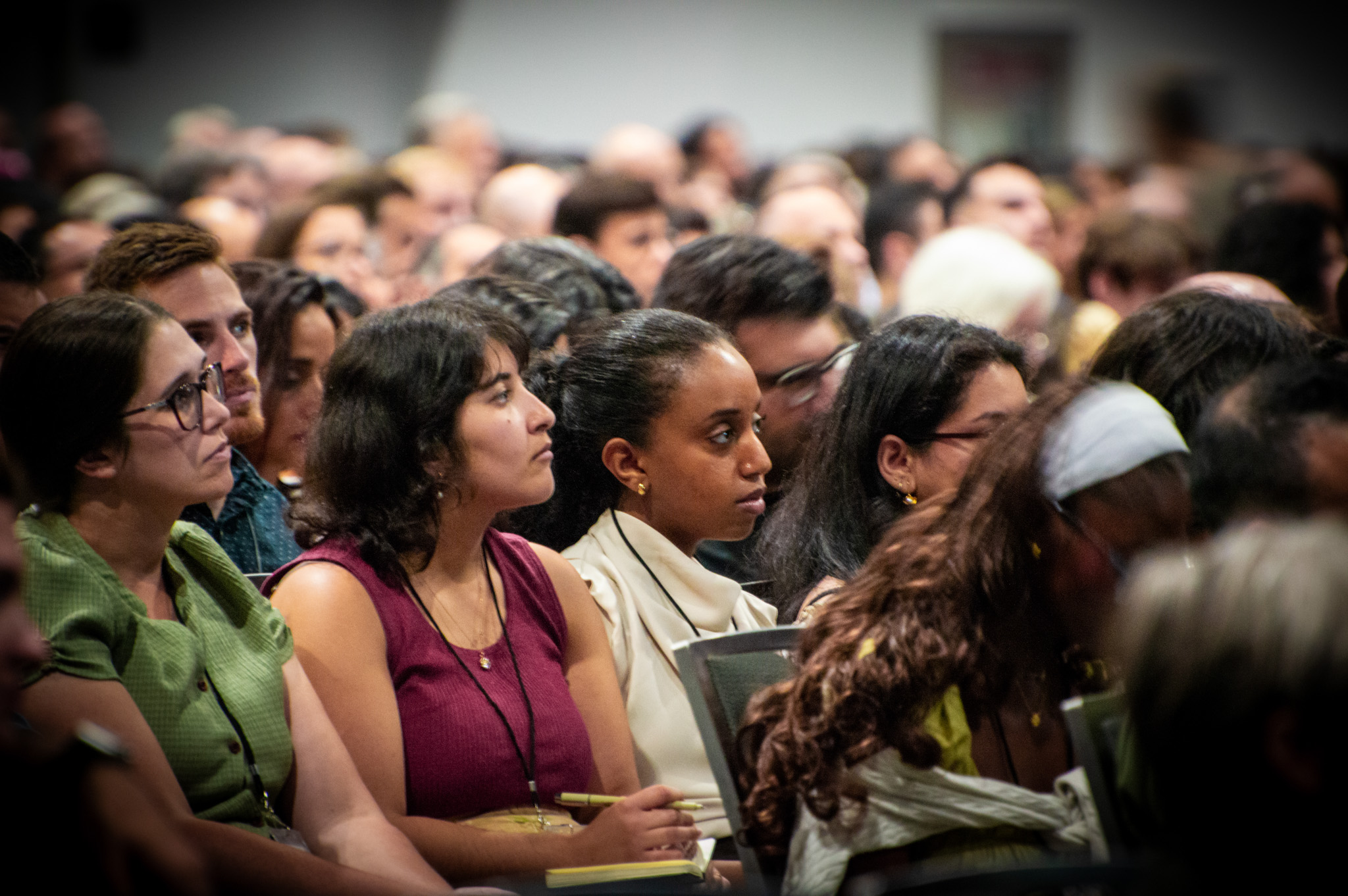
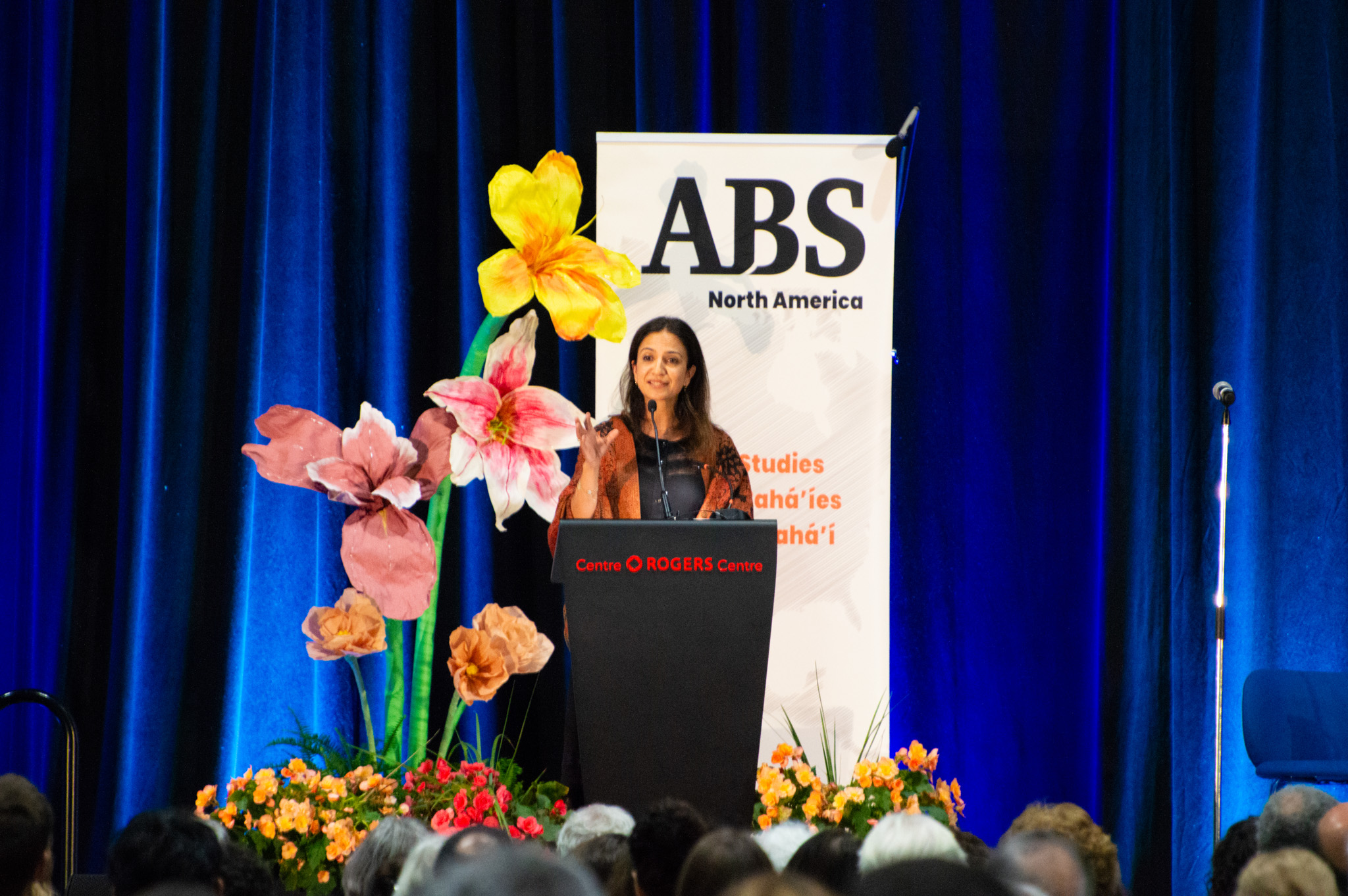
Reflecting on the work of the early members of the ABS, Todd Smith, the secretary of the Executive Committee, said: “They took initiative so quickly and effectively, particularly in writing and generating meaningful articles and books, demonstrating an outward orientation.”
Acknowledging the contributions of the conference, the National Assembly also noted, “Increasingly…the conference serves as a punctuation point within a much broader, year-round process of learning that includes publications, seminars and reading groups, together creating a rich landscape of opportunities to correlate the teachings of the Faith with the pressing questions facing humanity.”
The Journal of Bahá’í Studies, a publication of the Association of Bahá’í Studies, published a special issue, “Over Fifty Years of ABS.” This issue contains a retrospective of the Association’s activities and learning since its inception. The issue also includes a selection of reflections from longtime collaborators.
The conference began with a series of 16 seminars in which small groups came together to explore topics across disciplines ranging from the biological sciences, healthcare, technology, the media, the arts, political science, philosophy, Indigenous studies, and education. These two-day topical sessions were held before the start of the annual conference. Most seminars emerged from existing collaborative projects or online reading groups supported by the Association’s Committee for Collaborative Initiatives. The conversation in the seminars continued throughout the conference during the breakout sessions.
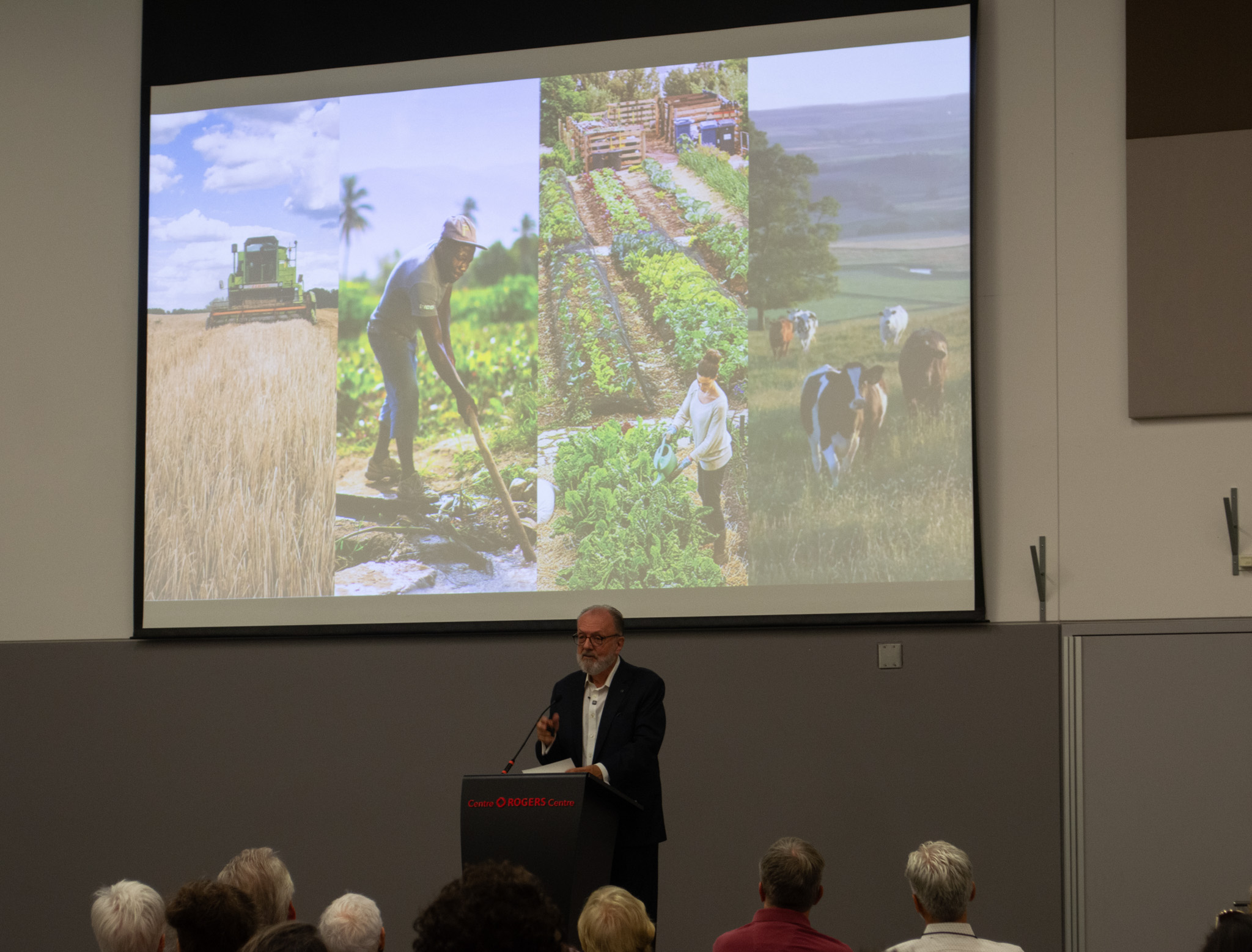


The opening plenary session included a panel reflecting on the past 50 years of the Association for Bahá’í Studies and the approach to learning it is cultivating through its various endeavours. The conference also screened the film Cast Aside the Clouds, a drama set in Iran that brings to light the persecution of Bahá’ís in Iran through a love story. There was also a breakout session with the filmmakers. They discussed how young people can challenge inherited assumptions, seek truth independently and overcome entrenched prejudices. The film calls on audiences to reject bias, think critically, and recognize the power of youth to contribute to a more just and compassionate world. There was also a film screening of The Forbidden University, a feature documentary exploring the constructive resilience of the Bahá’í Institute for Higher Education (BIHE) in Iran.
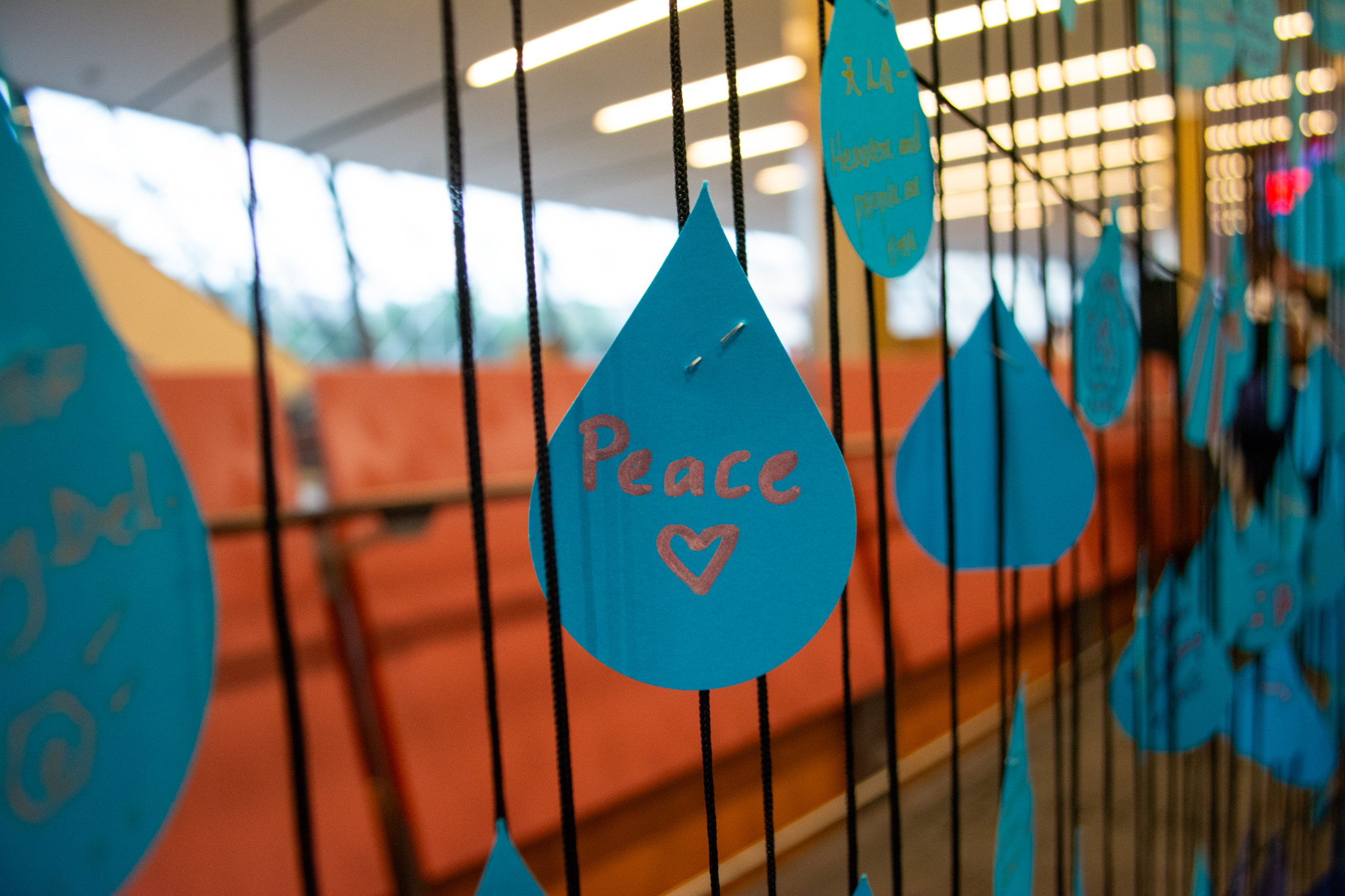
On Saturday evening, Mr. Razavi spoke on the theme of “True Practitioners of Peace.” In its Ridván 2024 message, the Universal House of Justice writes: “We rejoice to see, in every country and region, true practitioners of peace occupied with building this haven.” Mr. Razavi stressed that hope is vital to peacebuilding—hope that is often rooted in faith and moral values. Many of the breakout sessions also seemed to touch on this theme, focusing on how the educational activities of the Bahá’í community are empowering individuals and families to build havens of peace in communities. In addition to the plenary sessions, there were more than 40 breakout sessions on a variety of themes. In her breakout session, Dr. May Farid analyzed the limitations of traditional activism in creating real social change in the current moment. She discussed her research on 14 initiatives that offer alternative models of change that neither “resist nor reform” existing structures.

Addressing healthcare inequalities in their session, Shoha Sabeti and Saama Sabeti looked deeper at the questions of human worth, injustice, and lack of unity that lie at the foundation of these systems that serve people. They explored how justice, the elimination of prejudice, oneness of humanity, and consultation can help reorient these broken systems and advance toward a divine civilization. In another session, Louis Soucy explored the concept of resilience and how it has emerged as a way to characterize improvements in individual psychological functioning and health. Resilience can be expanded to include the spiritual and social aspects of the individual and the community in which they serve.
There were two plenary panel discussions on Sunday morning—one that addressed Indigenous knowledge, reflecting on how engagement can move beyond symbolic inclusion toward genuine partnership, grounded in listening, mutual learning and shared responsibility, in service to reconciliation, unity and the advancement of civilization. The other plenary was on the biological sciences and explored the relationships that exist in the health field and their evolution, the divisiveness across systems and processes, and, subsequently, how the Light of Bahá’u’lláh’s Revelation can support a reimagining of present-day relationships in healthcare.

This year also included a specialized session for youth aged 15 to 21 who explored the period of youth in relation to the intellectual life of the Bahá’í community. Participants were split into two groups, one high school and the other university-age. They studied two documents: one, a statement of the Bahá’í International Community on Women’s Engagement in Re-Imagining Digital Technologies, and the other, a Universal House of Justice message dated 24 July 2013 to the National Spiritual Assembly of the Bahá’ís of Canada, regarding the ABS. Mr. Razavi also joined the session for an hour. The university-age group reflected on the concept of discourse and the practices and assumptions in different fields. In the high school age group, the youth explored their role as practitioners of peace, the unique period of youth, and questions about coherence between the various dimensions of their lives, including their service to their communities, their studies, and other life commitments. Ava Astani, a 16-year-old youth and first-time participant, said, “A great piece of insight I gained from the youth program was the importance of building habits of conversation with diverse types of people, recognizing that different perspectives and ideas can lead to a common vision through consultation and ultimately towards a shared vision on a community that prioritizes service to humanity.”
Category: Uncategorized
